What Is Mimosa Hostilis Root Bark and What Is It Use For?
When sourcing botanical raw materials for textile dyeing, leatherworking, or artisan crafts, Mimosa hostilis root bark (MHRB) stands out for its exceptionally high pigment density and rich tannin profile. Sourced from the inner bark of the Mimosa tenuiflora tree—a resilient species native to northeastern Brazil and southern Mexico—this plant material has played an essential role in traditional crafts for generations.
Today, natural dye studios, leather tanners, and botanical researchers rely on premium MHRB as a reliable, consistent source of rich, durable color.
What Makes Mimosa Hostilis Root Bark Valuable?
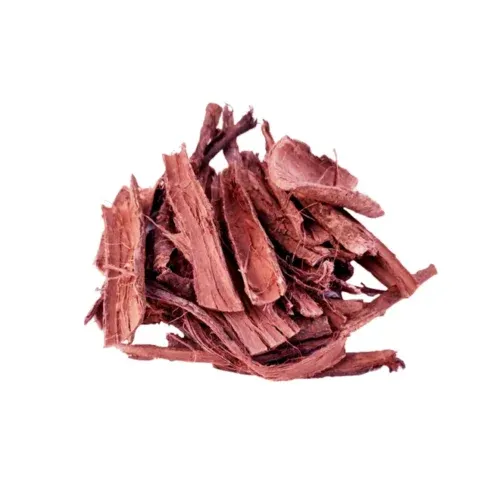
The value of high-grade inner root bark lies in its concentrated levels of condensed tannins (proanthocyanidins) and natural phlobaphenes. When simmered in an extraction bath, these compounds yield a wide spectrum of lightfast, washfast pigments ranging from warm terracotta to deep wine and plum tones.
Compared to synthetic chemical dyes, natural pigments extracted from Mimosa tenuiflora offer distinct performance advantages:
- Superior Lightfastness: Natural tannins act as self-mordanting agents, bonding deeply with both protein fibers (silk, wool) and pre-mordanted cellulose fibers (cotton, linen).
- Dynamic Color Range: Modifying the dye bath with non-toxic metallic salts—such as alum for bright reds or iron for deep slate tones—unlocks multiple shades from a single extraction.
- Traditional Leather Tanning: The dense tannin profile treats hides naturally, preserving and softening leather using techniques practiced long before synthetic chromium tanning agents existed.
Brazilian vs. Mexican MHRB Sourcing
While both origins stem from Mimosa tenuiflora, microclimates, soil mineral profiles, and regional harvesting traditions affect the final product:
- Brazilian MHRB: Typically harvested from semi-arid regions, yielding higher tannin saturation that leans toward cooler mahogany, rich plum, and deep reddish-purple tones.
- Mexican MHRB: Sourced primarily from warm mountainous areas, producing warmer terracotta, rust, and copper-tinted colorways.
Why Lab Testing and Batch Consistency Matter
Because natural raw materials vary based on rainfall, soil nutrients, and harvest age, unverified suppliers often deliver inconsistent pigment yields.
At Phytospec Botanicals, every batch of inner root bark undergoes independent laboratory testing to verify botanical purity and consistency. Providing a Certificate of Analysis (CoA) ensures that artists and tanners receive reliable, high-yield material that produces predictable results across every project.
Responsible Use and Legal Compliance
Mimosa hostilis inner root bark is sold strictly for lawful, non-consumption applications, including botanical dyeing, leather tanning, textile printing, and academic research. It is not sold or intend for human consumption. Regulatory status varies by jurisdiction, and buyers are responsible for ensuring compliance with local laws prior to purchase.
Explore Premium Mimosa Hostilis Root Bark
Whether running small experimental dye vats or managing large-scale production runs, choosing the right physical format ensures optimal extraction rates:
- Shredded Inner Root Bark: Ideal for long-simmer dye baths, eco-printing bundles, and easy straining.
- Powdered Inner Root Bark: Ground finely for rapid tannin extraction, fast stock preparation, or custom print pastes.
Ready to elevate your botanical dye work? Browse our ethically sourced, laboratory-tested [Mimosa Hostilis Collection] at Phytospec Botanicals today.