Brazilian vs. Mexican MHRB: Choosing the Best Root Bark for Natural Dyeing
For textile artists, leather tanners, and eco-printers, selecting raw materials comes down to nuance, consistency, and yield. Mimosa tenuiflora (commonly call as Mimosa hostilis root bark or MHRB) has long been prize across botanical dye studios for its rich tannin profile and deep, earthy pigment output. However, when sourcing premium botanical stock, artisans are frequently present with a choice: Brazilian MHRB or Mexican MHRB. Brazilian vs Mexican MHRB
While both originate from the same botanical species, differences in regional microclimates, soil composition, and processing traditions introduce distinctive performance characteristics. Understanding these variance factors allows you to select the exact origin that aligns with your desired color palette, fiber type, and extraction process.
The Chemistry Behind Mimosa Tenuiflora Pigments
The color potential of Mimosa tenuiflora stems primarily from its condensed tannin content (proanthocyanidins) and natural phlobaphenes. Tannins act both as the primary dye agent and as a natural binder, offering strong lightfastness and washfastness—particularly when applied to protein fibers like silk and wool or properly pre-mordanted cellulose fibers like linen and cotton.
The environment in which the tree grows alters the density of these compounds:
- Soil Minerals: Iron-rich soils tend to darken natural phlobaphenes, nudging color shifts toward cooler, deeper tones.
- Aridity & Stress: Trees exposed to seasonal dry spells synthesize higher concentrations of protective tannins, increasing raw dye yield per gram.
- Harvest Age: Older root bark accumulates thicker inner layers rich in concentrated pigments.
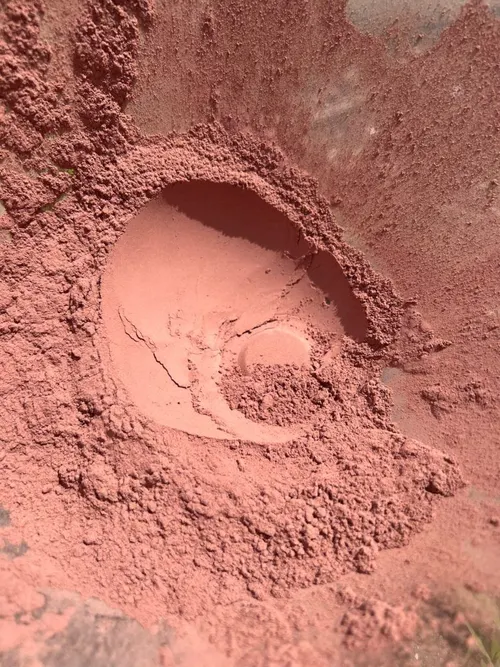
Brazilian MHRB: Characteristics and Performance (Brazilian vs Mexican MHRB)
Brazilian Mimosa hostilis—traditionally harvested in the semi-arid Caatinga region—is renowned among natural dyers for its intense pigment concentration and deep color profile.
Color Output & Tonal Range
Brazilian bark is widely favore for achieving cool, deep red-browns, rich purples, and dark mahogany tones. When paired with an alum mordant on silk or wool, Brazilian MHRB releases a vibrant, saturated plum-to-maroon hue.
Tannin Yield & Density
Due to the intense climate conditions of northeastern Brazil, the root bark typically features high tannin saturation. This makes it an exceptionally cost-effective option for large-batch dye vats or deep-immersion leather tanning, requiring less raw bark weight per volume of dye bath to achieve full saturation.
Ideal Use Cases for Brazilian Bark
- High-contrast eco-printing where sharp, dark botanical outlines are require.
- Deep-tone textile dyeing on protein fibers (silk, wool, alpaca).
- Heavy-duty leather tanning requiring high-density tannin absorption.
Mexican MHRB: Characteristics and Performance (Brazilian vs Mexican MHRB)
Harvest primarily across the warm, mountainous terrains of southern Mexico (such as Chiapas and Oaxaca), Mexican Mimosa hostilis offers a subtle, warm-toned alternative that is highly regard for delicate fiber applications.
Color Output & Tonal Range
Mexican MHRB typically yields warmer, golden-red, terracotta, and soft rust-orange tones. Rather than striking immediately into dark purple-reds, it produces a warmer undertone that lends itself well to complex, layered colorways.
Extraction Rate & Fiber Penetration
The physical structure of Mexican root bark often processes into a lighter, fine-shred fiber. This lower physical density allows hot water extractions to draw out initial tannins quickly, granting dyers rapid feedback during the extraction simmer.
Ideal Use Cases for Mexican Bark
- Warm terracotta and soft rust hues on cellulose fibers (cotton, hemp, linen).
- Multi-bath tonal layering where you want precise control over shade progression.
- Subtle background tones in botanical eco-printing bundles.
Side-by-Side Regional Comparison (Brazilian vs Mexican MHRB)
| Feature / Metric | Brazilian MHRB | Mexican MHRB |
| Primary Color Profile | Deep mahogany, cool plum, saturated red-brown | Warm terracotta, soft rust, warm chestnut |
| Tannin Yield | Exceptionally High | High to Moderate |
| Cool Mordant Shift (Iron) | Deep slate-gray to near-black | Smoky brown to dark espresso |
| Warm Mordant Shift (Alum) | Rich purple-maroon | Vibrant reddish-pink to warm copper |
| Extraction Speed | Steady, multi-simmer release | Rapid initial pigment release |
| Best Fiber Pairing | Silk, Wool, Heavy Linen | Cotton, Hemp, Fine Silk |
How Mordants Shift Brazilian and Mexican MHRB Hues
Both regional barks respond dynamically to standard non-toxic dye mordants. Because MHRB contains natural tannins, it can adhere to fibers without an added mordant, but introducing metallic salts unlocks its full spectrum.
Potassium Aluminum Sulfate (Alum)
- Brazilian: Shifts the dye bath toward deep magenta, plum, and rich mauve on protein fibers.
- Mexican: Produces brighter, warm coral-reds and fiery copper-browns.
Ferrous Sulfate (Iron Saddening)
- Brazilian: The high tannin density reacts aggressively with iron, shifting the bath into deep, dark slate, charcoal, and near-black hues.
- Mexican: Yields complex, smoky wood-grain browns and olive-charcoal tones.
Copper Sulfate
- Brazilian: Introduces cool olive and rich forest-bronze undertones.
- Mexican: Pulls out warm golden-olive and antique brass shades.
Sourcing Formats: Shredded vs. Powdered
In addition to choosing the regional origin, selecting the correct physical preparation impacts your workflow:
- Shredded MHRB: Best for standard immersion vats and eco-print bundles. Shredded bark allows for easy straining through mesh, keeping fine bark sediment from clinging to your textiles.
- Powdered MHRB: Best for rapid extractions, fast-concentrated dye stock preparation, or thick print pastes. Double-straining through cheesecloth or a fine filter bag is recommende to keep your dye bath free of residue.
Ethical Sourcing & Botanical Integrity
At Phytospec Botanicals, we prioritize ethical harvesting standards and strict species verification. Our Mimosa tenuiflora root bark is sustainably wildcraft, ensuring that harvesting practices preserve the living parent trees and support local harvesting communities. Every batch is carefully process and store under climate-control conditions to preserve its natural tannin integrity.
Which MHRB Should You Choose for Your Dye Vat?
- Choose Brazilian MHRB if your priority is maximum tannin concentration, cool undertones, deep purples, or creating rich dark shades on wool and silk.
- Choose Mexican MHRB if you want warm terracotta tones, rapid pigment extractions, or subtle color control on natural cellulose textiles.
For studios exploring custom palettes, acquiring small test batches of both origins allows you to conduct side-by-side dye swatches on your specific fiber stock.
Ready to start your next dye vat? Browse our ethically sourced selection of [Shredded Brazilian MHRB] and [Powdered Mexican MHRB] at Phytospec Botanicals today.